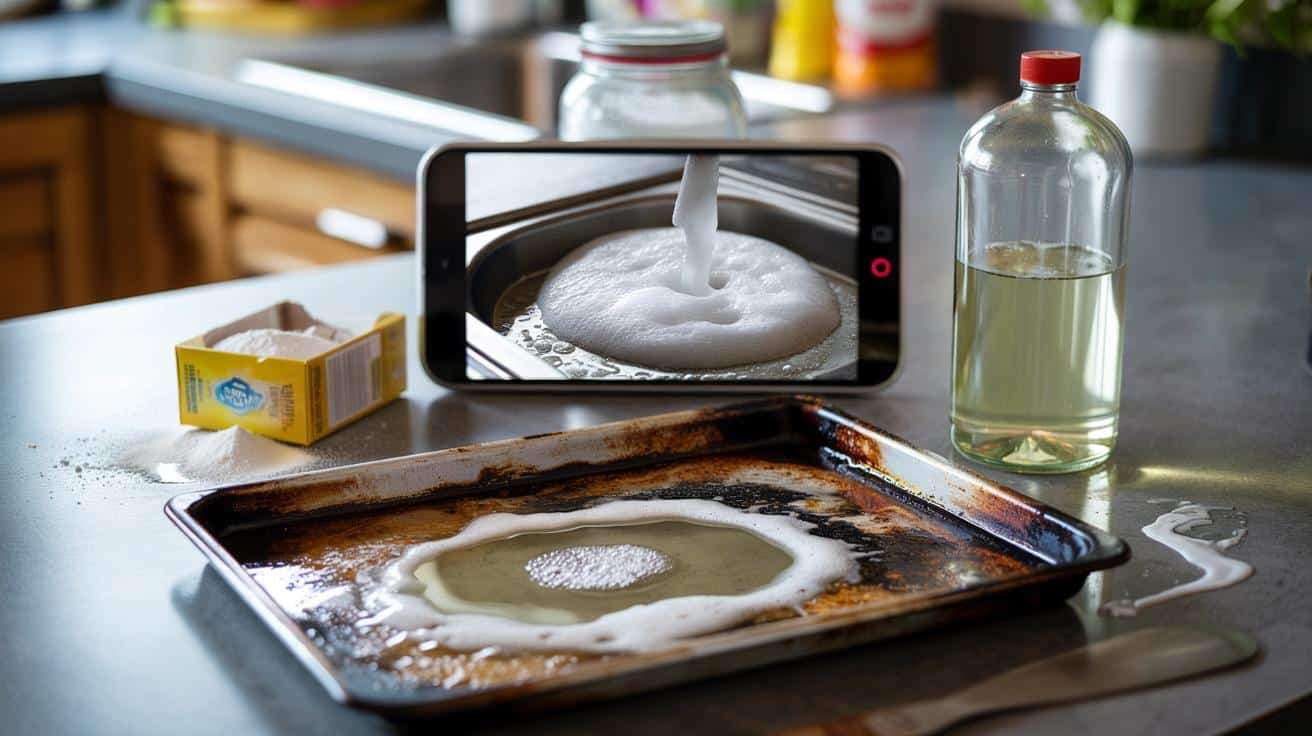
The smell hit her first. A sharp sting of vinegar in the back of the nose, that strange mix of “clean” and “pickles” that always lingers too long in a small kitchen. On the counter: a greasy baking tray, a half-empty bottle of clear vinegar, and an open box of baking powder. Her phone, propped against the sugar jar, showed a viral cleaning hack: “Just mix vinegar and baking powder – watch the magic!” Bubbles, foam, miracle results, all in 20 seconds.
She poured, stirred, watched the fizz rise up the sides of the tray. For a moment it looked spectacular, like a tiny volcano. Then… nothing. The foam died, the smell stayed, and the baked-on fat? Still there, clinging like a bad mood after a long day.
The “magic” had just cancelled itself out.
Warum Essig und Backpulver sich heimlich gegenseitig ausschalten
You probably know this combo from school experiments. Volcano projects, overflowing bottles, kids screaming with excitement. That’s exactly the trick many cleaning hacks recycle: mix something acidic (vinegar) with something alkaline (baking powder) and wait for the explosion of foam. It looks incredibly efficient, almost professional. Your brain goes, “If it foams like that, it has to be working hard.”
The reality is more… boring. Once the fizz is gone, you’re mostly left with water and a bit of salt. Not a strong cleaner. Not a powerful descaler. Just a defeated mix that looks busy, but doesn’t do much anymore.
Picture this. It’s Saturday, you’ve promised yourself a “big clean” and you’re already regretting it. You open Instagram or TikTok for “quick cleaning hacks” and there it is: a shiny sink, a hand sprinkling baking powder, a slow-motion pour of vinegar, the inevitable foam wave. Cut. Next shot: sink looks brand-new.
What the video doesn’t show is the part between the cuts. The scrubbing. The second product they quietly used. The fact that the foam was mostly for show. Many of these viral clips play with the same trick: they dramatize a chemical reaction that looks strong, but chemically cancels out the power of both ingredients.
Chemically, the story is simple. Vinegar is an acid. Baking powder is mostly a base. When they meet, they neutralize each other. The fizz you see? That’s carbon dioxide escaping, a short-lived party. Once the bubbles are gone, the acid is no longer really acidic, the base is no longer really basic. You’ve created something closer to slightly salty water than a strong cleaning solution.
That means the standalone strengths are gone. The descaling power of vinegar? Reduced. The degreasing and deodorizing effect of baking powder? Weakened. The foam gives the illusion of effort, but on your limescale, burnt-on cheese or yellowed grout, the result is often: underwhelming.
So nutzt du Essig und Backpulver richtig – aber getrennt
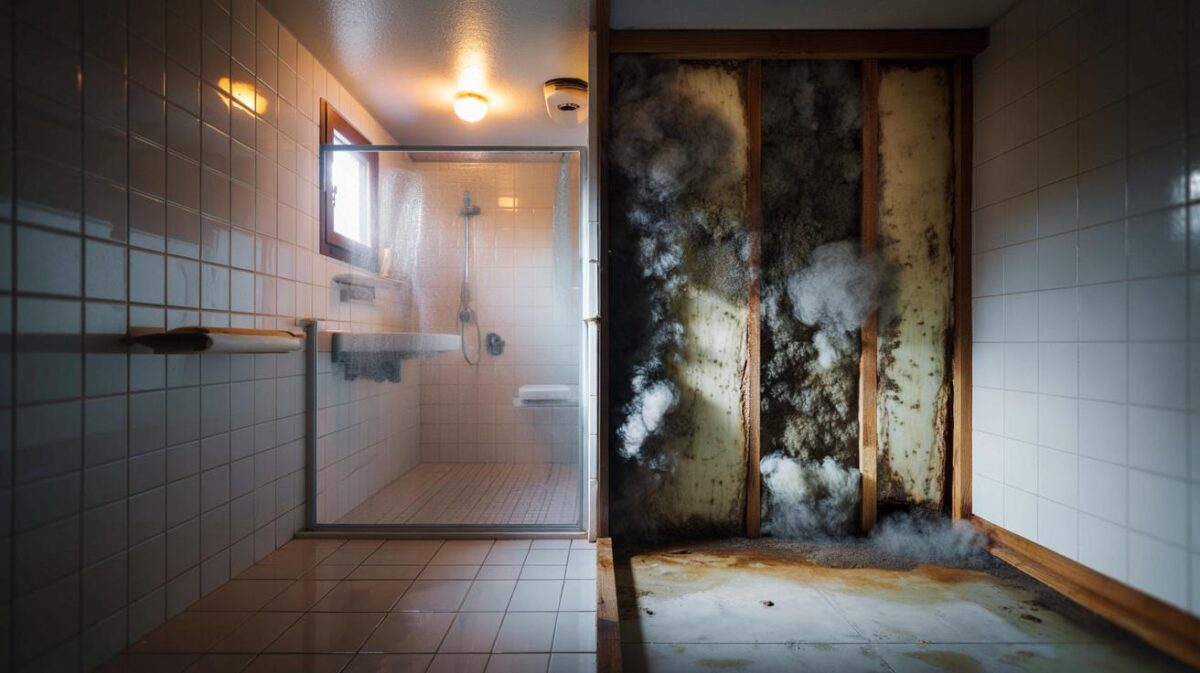
The trick isn’t to ban vinegar and baking powder from your home. It’s to separate them in time and space. Use vinegar as a solo player when you’re dealing with limescale: kettles, taps, shower heads, toilet rims. Let it sit, let it bite into the mineral deposits, then rinse. That’s where it really shines.
➡️ Schluss mit teuren reinigern dieser simple trick mit natron und rosmarin spaltet haushalte überall
➡️ Diese eine Sache im Schlafzimmer verschlechtert deinen Schlaf massiv
➡️ Smartphone im Flugmodus reicht nicht: Schalten Sie es nachts ganz aus
➡️ Eine Rentnerin teilt, wie sie mit Second-Hand-Shopping ihre Garderobe günstig erneuert
➡️ Diese eine Frage stellen sich zufriedene Menschen jeden Abend
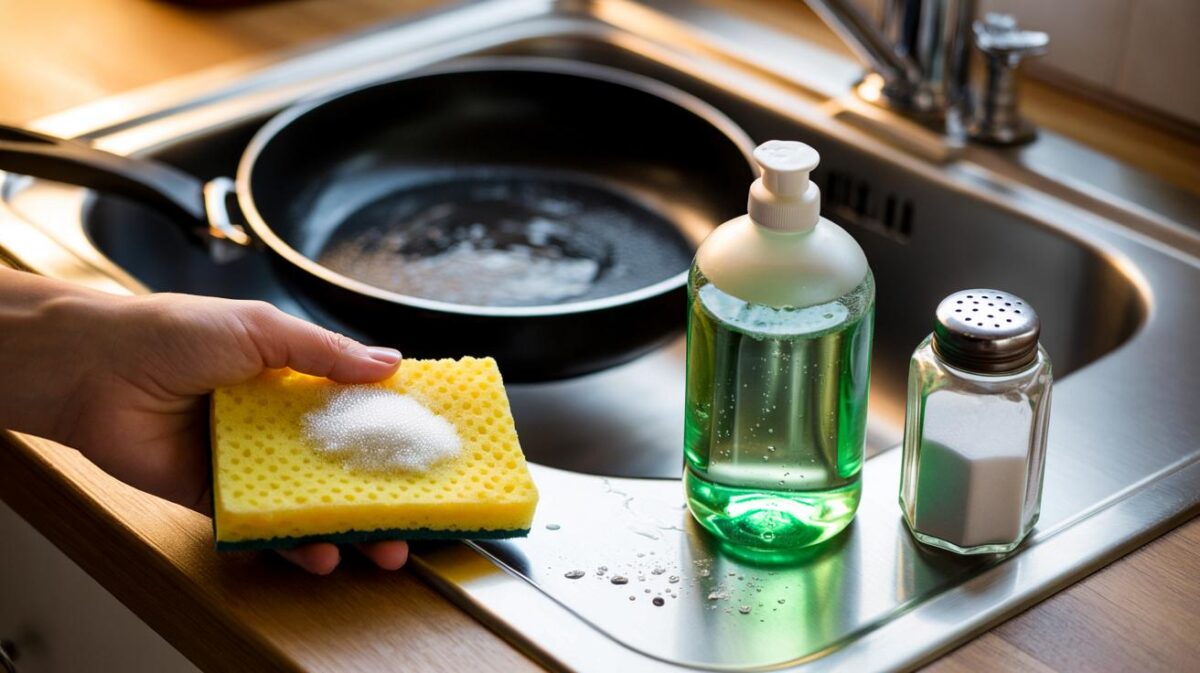
Use baking powder (or better: baking soda, if you have it) for smells, light grease and gentle abrasion. Sprinkle it dry in the sink or oven, leave it to absorb, then scrub with a damp sponge. No foaming show, just quiet work that actually happens on the surface.
One simple routine: for a dirty oven, start with baking powder on the cooled interior. Lightly spray with water, not vinegar, and let it rest for a few hours or overnight. The paste softens the grime, and you can wipe away far more than with a rushed “foam hack”. On another day, when you’re fighting limescale in the bathroom, bring in the vinegar alone. Spray, wait, wipe.
We’ve all been there, that moment when you want the quick, flashy solution instead of the boring method that actually works. Let’s be honest: nobody really does this every single day. Real homes are messy, and that’s exactly why you don’t want to waste the little cleaning energy you have on a combo that sabotages itself.
*“The biggest misunderstanding is that foam equals cleaning power. Foam is often just gas escaping. The real work happens silently, in the chemistry you can’t see,”* says a chemistry teacher I spoke to, who watches these hacks go viral with a mix of amusement and despair.
- Nutze Essig pur auf kalkigen Flächen und lass ihn einwirken, bevor du wischst.
- Verwende Backpulver getrennt für Gerüche, Fett und als mildes Scheuermittel.
- Wenn du beide im selben Bereich nutzen willst, dann erst das eine, später das andere – nie gemischt im selben Schritt.
Warum wir an den Essig-Backpulver-Mythos glauben wollen
There’s a reason this duo keeps coming back in our feeds every few months. The reaction looks satisfying, almost therapeutic after a long day. You pour, it fizzes, and for a brief moment you feel like you’ve taken control of the chaos in your home. Visual proof that “something is happening” is reassuring, even if the science says: not in the way you think.
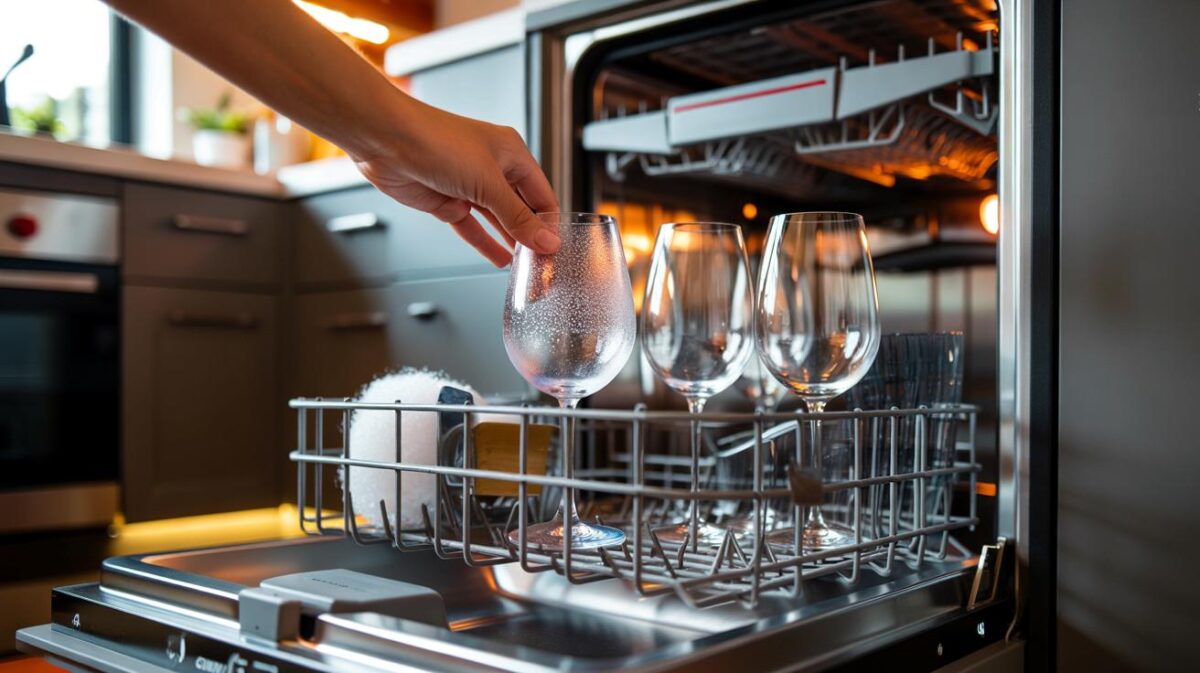
Behind this is a quiet frustration with everyday dirt. Sticky countertops, cloudy glasses, that suspicious ring in the toilet. We want shortcuts. We want to believe that two cheap ingredients from the pantry, thrown together without thinking, will beat the stubborn mess that made us feel guilty all week. The plain-truth is: most good cleaning routines are slower, simpler and a bit less cinematic.
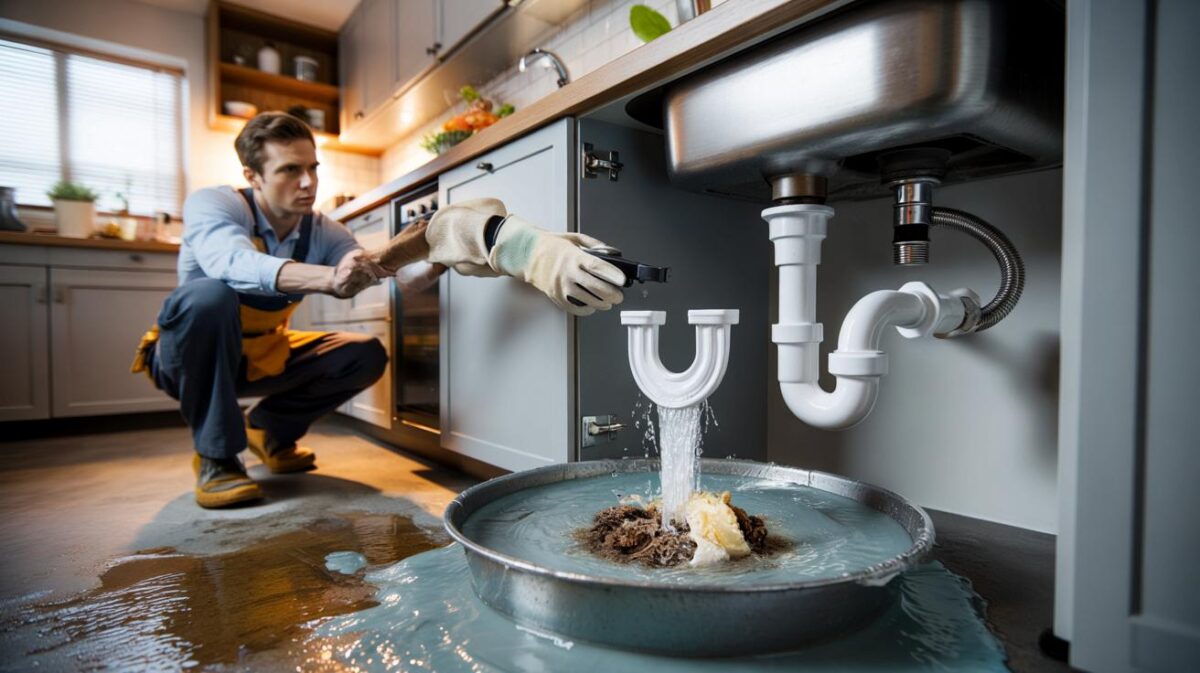
Next time you see the famous foam volcano in a 20-second Reel, you might look at it differently. You might ask: what would these two do separately, if I gave each of them a real chance to work? That small change in perspective could save you time, energy, and a lot of pointless fizz that goes straight down the drain.
| Key point | Detail | Value for the reader |
|---|---|---|
| Essig und Backpulver neutralisieren sich | Die heftige Reaktion verbraucht Säure und Base, übrig bleibt vor allem Wasser und Salz | Du verstehst, warum der beliebte Mix oft viel schwächer reinigt als versprochen |
| Getrennte Anwendung wirkt besser | Essig pur gegen Kalk, Backpulver getrennt gegen Geruch und Fett, mit Einwirkzeit | Du holst das Maximum aus beiden Hausmitteln heraus, ohne Extra-Kosten |
| Viral-Hacks sind nicht der Alltag | Videos schneiden den anstrengenden Teil raus: Einwirkzeit, Schrubben, Nachreinigen | Du kannst realistische Erwartungen haben und dir unnötige Frustration sparen |
FAQ:
- Question 1Can I ever use vinegar and baking powder in the same cleaning routine?
- Question 2Is the vinegar–baking powder reaction dangerous for my health?
- Question 3Why does my drain sometimes seem cleaner after I pour both in?
- Question 4Is baking powder as good as baking soda for cleaning?
- Question 5What should I use instead of mixing vinegar and baking powder?