Ready‑rolled pastry usually feels like a nutritional compromise, something you grab with a shrug. A new rating from the French app Yuka suggests that might be changing, with one supermarket shortcrust pastry standing out for its unusually clean recipe and strong health score.
A rare “excellent” score for an industrial shortcrust
In France, a shortcrust pastry sold under the Monique Ranou brand at Intermarché has caught attention after earning 90/100 on Yuka, which classifies it as “excellent”. For a ready‑to‑use dough, that is a high mark, especially when many rival products are routinely criticised for too much fat, salt and ultra‑processed ingredients.
What makes this dough unusual is not some exotic marketing claim, but its stripped‑back recipe and the use of vegetables and pulses in the mix.
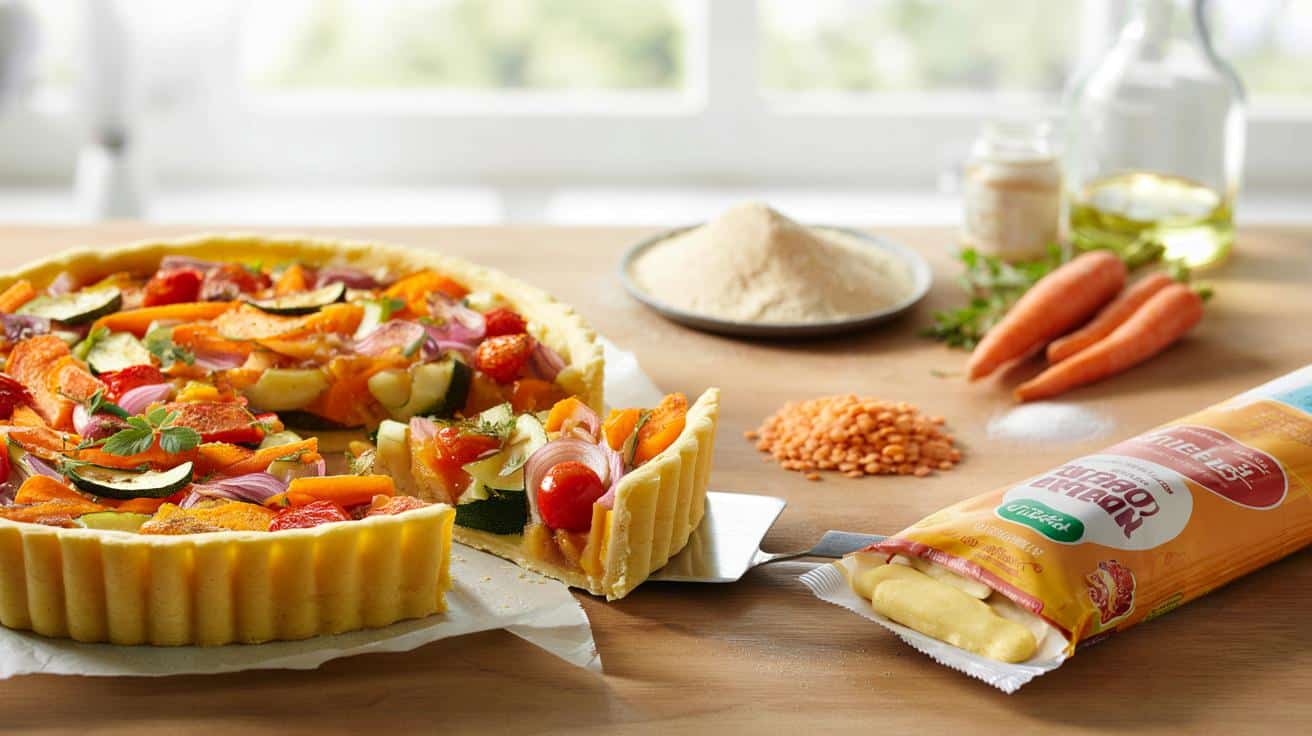
This ready‑rolled shortcrust combines wheat flour, carrot purée and red lentil flour, with no palm oil, preservatives or complex additives.
According to the label, the dough is made with wheat flour, 17.1% carrot purée, 13.3% precooked red lentil flour, water, rapeseed oil, wheat fibre, salt and leavening powders. That is a very short list by industrial standards.
Yuka’s analysis highlights several strong points: low levels of saturated fat, moderate salt and sugar, and a decent contribution of fibre and plant protein from the lentils and wheat fibre. For anyone trying to step away from heavily processed foods without giving up the convenience of a roll‑out pastry, this type of profile is noteworthy.
Why nutritionists side‑eye most ready‑made pastry
Shortcrust pastry sits at the base of both savoury and sweet favourites: quiche, tomato tart, apple pie, lemon tart. In home baking, it is usually just flour, fat, a little water and sometimes an egg. Industrial versions can look similar at a glance, but the ingredient lists often tell a different story.
A 2024 investigation by the French consumer magazine “60 Millions de consommateurs” examined 39 tart pastries, both shortcrust and puff. The team found large differences between references, even within the same brand. Some of the lowest scores went to organic lines from Monique Ranou, which is the same brand now praised for this carrot‑lentil dough.
The magazine criticised certain supermarket pastries for lists of up to 11 ingredients and a reliance on fat blends and additives far from the traditional recipe.
➡️ Köche wissen es: Dieses Stück ist ideal für ein besonders zartes Boeuf Bourguignon
➡️ Wie Sie Ihr Auto im Winter schneller enteisen – mit einem einfachen Hausmittel
➡️ Unter dem arktischen Eis erwacht eine Waffe gegen die Erderwärmung
➡️ Schuhe direkt an der Haustür verändern die Raumluft stärker, als viele denken
Instead of a simple fat such as butter or a single vegetable oil, many products used margarines or mixtures of refined oils. Emulsifiers, stabilisers, preservatives and colourings were common. These additions may stabilise texture and shelf life, but they push the product closer to the ultra‑processed category that many consumers try to avoid.
What sets this “excellent” pastry apart
The Monique Ranou dough praised by Yuka takes a different route by relying on vegetables and pulses inside the pastry itself. That gives it a more interesting nutritional profile without turning it into a “diet” product.
- Carrot purée (17.1%) adds colour, a mild sweetness and some natural fibre.
- Red lentil flour (13.3%) boosts plant protein and fibre content.
- Rapeseed oil provides fat with relatively low saturated fat compared with butter or certain margarines.
- Wheat fibre increases fibre further, supporting satiety and digestion.
The absence of palm oil is another selling point, both for environmental reasons and because palm fat is rich in saturated fatty acids. A moderate salt content and lack of added sugar round off the profile.
For people who regularly rely on supermarket pastry, even a modest fall in saturated fat and salt, repeated week after week, can reduce cardiovascular risk over time.
That said, it still remains a pastry: a mixture of refined flour and fat intended to be eaten with fillings like cheese, cream or sugary fruits. Nutrition experts tend to frame it as a “better option” rather than a health food.
Not all pastries from the same brand are equal
The contrast between this well‑rated dough and the poorly scored organic versions from the same brand highlights a recurring trap: logos and labels can mislead. A green leaf, an organic badge or a rustic‑sounding name does not guarantee a short ingredient list.
In the 60 Millions de consommateurs review, some organic shortcrusts contained multiple fats, emulsifiers and thickening agents, despite the “bio” labelling. Others relied heavily on saturated fats to ensure flakiness and flavour. Consumers who just grab the organic pack may assume it is the healthier choice and never turn the pack over.
What this pastry’s 90/100 shows is that careful formulation is possible, even at supermarket prices, but that each product has to be checked individually.
How to choose a better shortcrust pastry in practice
For shoppers in the UK, US or elsewhere who may not have access to this specific French product, the method used to judge it is still useful. A quick scan of the label can help you separate the more balanced options from the rest.
Checklist for a more balanced ready‑made pastry
- Look for a short ingredient list: flour, water, a straightforward fat (butter or a single vegetable oil), salt, leavening.
- Favour products without palm oil, vague “vegetable fats” or long lists of additives.
- Check saturated fat per 100g and choose the lower figure within the same shelf.
- Compare salt; many tarts will be salty enough from their fillings, so the dough does not need much.
- If present, ingredients like wholemeal flour, fibre, vegetables or pulses can be a plus.
- Use independent apps or databases, such as Yuka in France or Open Food Facts, to compare products quickly.
These steps take less than a minute once you are used to them and can be applied to frozen pastry blocks, chilled ready‑rolled dough and even pie shells sold pre‑baked.
What Yuka actually measures
For readers unfamiliar with Yuka, the app scans the barcode of a product and converts several data points into a single score out of 100. The algorithm focuses on three blocks: nutritional quality, additives and, in some cases, the organic share of ingredients.
| Component | What is assessed |
|---|---|
| Nutritional profile | Fat, saturated fat, sugar, salt, energy density, fibre, protein |
| Additives | Presence and level of risk of food additives (according to current science) |
| Organic aspect | Percentage of certified organic ingredients when applicable |
A high mark does not mean “eat this endlessly”, but it signals that within its category, the product compares well on several health markers. For pastry, where expectations are often low, a score of 90/100 says the manufacturer has made clear nutritional choices.
Balancing convenience pastry with everyday eating
For many households, the ideal of always making pastry from scratch collides with work, childcare and limited kitchen space. Ready‑made dough becomes the compromise that keeps home cooking alive. A tart with seasonal vegetables on a relatively balanced pastry may still be nutritionally stronger than a takeaway pizza or an ultra‑processed ready meal.
One practical approach is to think in terms of frequency. Using supermarket pastry once a week, but filling it with vegetables, pulses, eggs or fruit, keeps the meal in a reasonable zone. If pastry appears several times a week, switching to a product with less saturated fat and more fibre, like the carrot‑lentil dough, softens the impact.
What “ultra‑processed” means in this context
The term “ultra‑processed food” refers to products that go beyond simple culinary processes like grinding, cooking or fermenting. They often contain ingredients you would not have at home: modified starches, protein isolates, colourings, flavour enhancers, stabilisers.
Many supermarket pastries fall into this category because of the margarines, complex fat blends and multiple additives needed to guarantee texture and shelf life across long transport chains. A dough with only flour, oil, water, vegetables, pulses, salt and leavening sits closer to a traditional kitchen recipe, even if it is still an industrial product.
For people trying to shift their diet gradually, choosing these “less processed” alternatives in everyday staples such as pastry, bread and breakfast cereals can bring cumulative benefits: better control of salt and fat intake, more fibre, and less exposure to controversial additives.
In that sense, the Monique Ranou shortcrust pastry highlighted by Yuka acts as a test case. It shows that supermarket tarts do not have to be nutritional dead weight and that pressure from consumers, backed by independent assessments, can nudge manufacturers towards simpler, clearer recipes.